


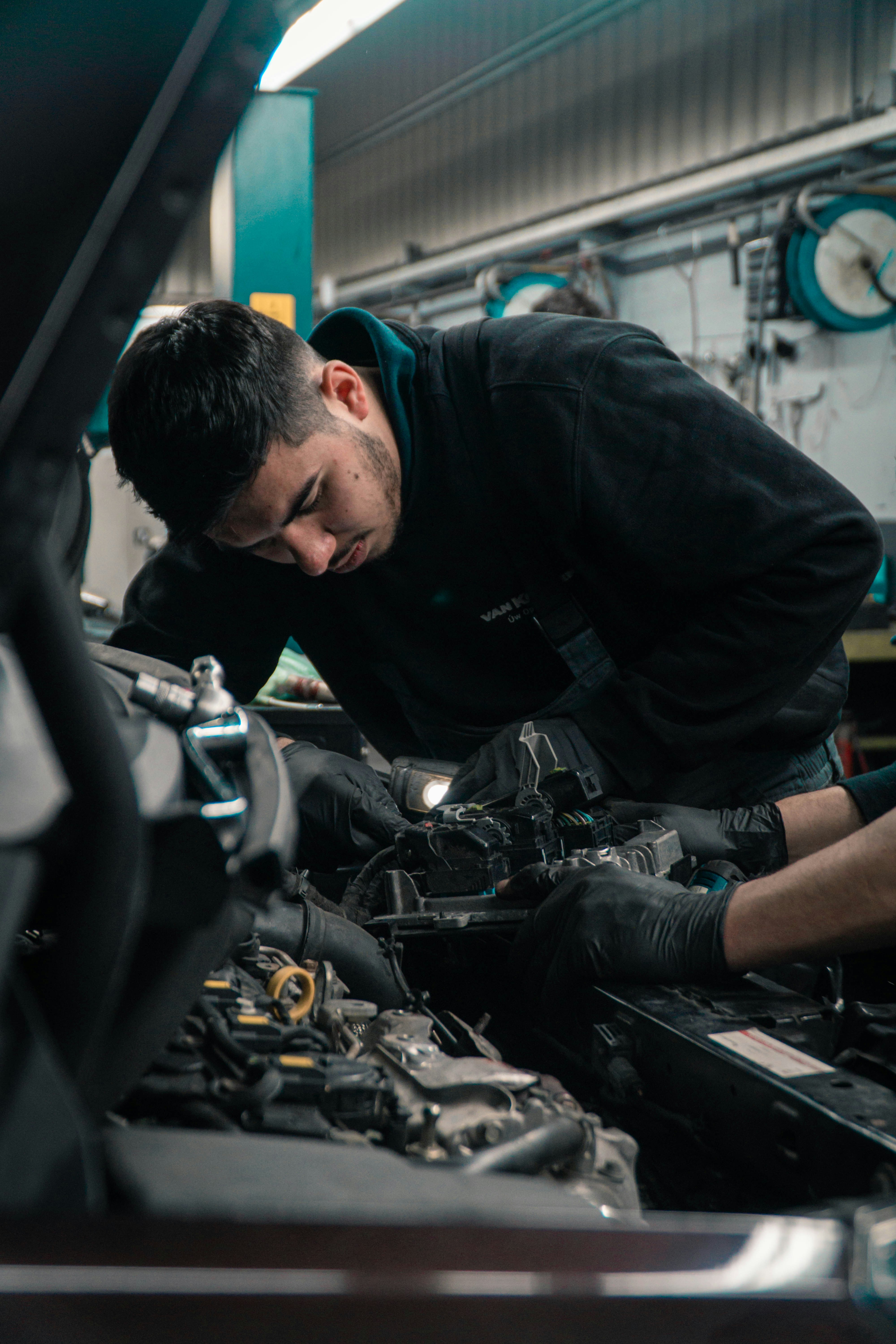

Mechanical engineering is one of the oldest and most important branches of engineering. It focuses on the design, development, manufacturing, operation, and maintenance of machines, tools, and mechanical systems that improve everyday life. From automobiles and aircraft to power plants, robots, and manufacturing equipment, mechanical engineers play a vital role in building the modern world.
Mechanical engineering combines the principles of mathematics, physics, material science, and engineering to solve real-world problems. It is a versatile profession that contributes to industries such as transportation, energy, healthcare, agriculture, construction, aerospace, robotics, and technology. As the world continues to embrace automation and smart technologies, the demand for skilled mechanical engineers continues to grow.
One of the primary responsibilities of a mechanical engineer is designing machines and mechanical systems. Before a product is manufactured, engineers use advanced computer-aided design (CAD) software to create detailed models and simulations. These digital tools help engineers test the performance, strength, and efficiency of a design before production begins. This process reduces costs, improves quality, and ensures that products meet safety standards.
Manufacturing is another major area of mechanical engineering. Mechanical engineers oversee the production of engines, industrial equipment, household appliances, and many other products. They ensure that manufacturing processes are efficient, cost-effective, and environmentally friendly. Modern factories rely heavily on automation, robotics, and artificial intelligence, making mechanical engineers essential in developing and maintaining these advanced production systems.
Mechanical engineering also plays a crucial role in the automotive industry. Engineers design and improve cars, motorcycles, trucks, and electric vehicles to make them safer, faster, and more fuel-efficient. With the rapid growth of electric vehicles and autonomous driving technology, mechanical engineers are working alongside software and electrical engineers to create smarter transportation systems that reduce pollution and improve road safety.
In the aerospace industry, mechanical engineers contribute to the design and maintenance of aircraft, satellites, rockets, and spacecraft. They ensure that these machines can withstand extreme temperatures, pressure, and high-speed conditions while maintaining maximum performance and safety. Their expertise has made space exploration and commercial aviation more reliable and efficient than ever before.
The energy sector also depends heavily on mechanical engineering. Engineers design turbines, generators, heating and cooling systems, wind turbines, hydroelectric equipment, and solar energy systems. As countries shift toward renewable energy sources, mechanical engineers are developing cleaner technologies that help reduce carbon emissions and protect the environment. Their innovations support global efforts to create a more sustainable future.
Mechanical engineering has transformed the healthcare industry as well. Engineers develop medical devices such as prosthetic limbs, artificial joints, surgical instruments, ventilators, MRI machines, and robotic surgical systems. These technologies improve patient care, increase treatment accuracy, and enhance the quality of life for millions of people around the world.
Robotics is one of the fastest-growing fields within mechanical engineering. Modern robots are used in manufacturing, healthcare, agriculture, logistics, and even homes. Mechanical engineers design robotic arms, automated machines, drones, and intelligent systems that perform tasks with precision and efficiency. As artificial intelligence continues to evolve, robotics will become even more advanced, creating exciting career opportunities for future engineers.
Mechanical engineers also focus on maintenance and reliability. Machines require regular inspection, repair, and upgrades to operate safely and efficiently. Engineers develop maintenance strategies that minimize downtime, reduce costs, and extend the lifespan of equipment. This is particularly important in industries such as oil and gas, manufacturing, transportation, and power generation, where equipment failures can be extremely costly.
To become a successful mechanical engineer, students need a strong foundation in mathematics, physics, chemistry, and computer science. Universities offer degree programs that teach engineering principles, thermodynamics, fluid mechanics, machine design, manufacturing processes, and engineering mathematics. Practical laboratory work, internships, and industrial training provide valuable hands-on experience that prepares students for real-world engineering challenges.
In today's digital age, mechanical engineers must also develop computer skills. Knowledge of CAD software, computer-aided manufacturing (CAM), finite element analysis (FEA), programming, and simulation software is becoming increasingly important. These technologies enable engineers to create more accurate designs, analyze complex systems, and improve product performance.
Problem-solving is one of the most valuable skills for a mechanical engineer. Every project presents unique technical challenges that require creativity, analytical thinking, and teamwork. Engineers often collaborate with electrical engineers, software developers, civil engineers, architects, and business professionals to deliver successful projects. Strong communication and leadership skills are equally important for managing teams and coordinating large engineering projects.
The future of mechanical engineering is filled with exciting opportunities. Emerging technologies such as artificial intelligence, Industry 4.0, 3D printing, nanotechnology, smart manufacturing, renewable energy, and autonomous systems are transforming the profession. Mechanical engineers are leading innovations that make industries more productive, efficient, and environmentally sustainable.
Mechanical engineering also offers excellent career opportunities worldwide. Graduates can work in automotive companies, manufacturing industries, construction firms, aerospace organizations, energy companies, research institutions, government agencies, and technology startups. Some engineers become entrepreneurs by developing innovative products or starting engineering consulting firms.
Despite its many opportunities, mechanical engineering also presents challenges. Engineers must continuously update their knowledge to keep pace with rapidly changing technologies. They must also design products that meet strict environmental regulations, improve energy efficiency, and minimize waste. Continuous learning, professional certifications, and lifelong education are essential for long-term success in this field.
In conclusion, mechanical engineering remains one of the most influential professions in the modern world. It combines science, technology, creativity, and innovation to solve practical problems and improve people's lives. From designing life-saving medical equipment to building advanced vehicles, renewable energy systems, and intelligent robots, mechanical engineers shape the future of society every day. As technology continues to advance, the importance of mechanical engineering will only increase, creating new opportunities for innovation, economic growth, and sustainable development.
Published by Dandon Tech – Delivering quality educational content, technology insights, engineering knowledge, and innovation updates to inspire the next generation of professionals.
Comments (0)
No comments yet. Be the first!