

Introduction
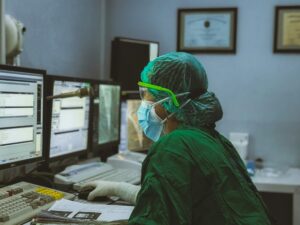
The healthcare industry is rapidly evolving, and technology is playing a major role in transforming how medical services are delivered worldwide. From artificial intelligence and telemedicine to electronic health records and wearable health devices, healthcare technology has become one of the fastest-growing sectors globally. As a result, health tech courses are becoming increasingly popular among students, healthcare professionals, and technology enthusiasts seeking rewarding career opportunities.
Health technology combines healthcare knowledge with modern digital tools to improve patient care, streamline hospital operations, and enhance medical research. Whether you are looking to start a career in healthcare technology or upgrade your existing skills, enrolling in a health tech course can provide valuable knowledge and practical experience.
In this guide, we will explore what health tech courses are, their benefits, career opportunities, essential skills, and how to choose the best program for your goals.
What Is Health Technology?
Health technology refers to the use of technology, software, devices, and digital systems to improve healthcare services and patient outcomes. It includes a wide range of innovations such as:
- Electronic Health Records (EHR)
- Telemedicine platforms
- Artificial Intelligence in healthcare
- Medical imaging technologies
- Health data analytics
- Wearable fitness and health monitoring devices
- Mobile health applications
- Healthcare cybersecurity systems
These technologies help healthcare providers deliver faster, more accurate, and more efficient care while reducing costs and improving patient satisfaction.
What Are Health Tech Courses?
Health tech courses are educational programs designed to teach students how technology is applied within healthcare environments. These courses cover both healthcare fundamentals and technical skills needed to develop, manage, and support healthcare technologies.
Health tech courses are available in various formats, including:
Online Courses
Online health tech courses offer flexibility for learners who want to study at their own pace. Many universities and learning platforms provide certification programs that can be completed remotely.
Diploma Programs
Diploma programs provide practical training and foundational knowledge in healthcare technology, often preparing students for entry-level positions.
Degree Programs
Bachelor’s and master’s degrees in health informatics, healthcare technology management, or digital health offer comprehensive education and advanced career opportunities.
Professional Certifications
Professionals can earn certifications in specialized areas such as healthcare IT, health informatics, cybersecurity, or medical data management.
Why Take a Health Tech Course?
The demand for skilled health technology professionals continues to grow as healthcare organizations increasingly adopt digital solutions.
Growing Job Opportunities
Healthcare technology careers are expanding worldwide. Hospitals, clinics, insurance companies, technology firms, and government agencies require professionals who understand both healthcare and technology.
Competitive Salaries
Many health tech roles offer attractive salaries due to the specialized knowledge required. Skilled professionals often enjoy strong earning potential and career advancement opportunities.
Impact on Patient Care
Health tech professionals contribute directly to improving patient outcomes by developing systems that enhance diagnosis, treatment, communication, and healthcare delivery.
Future-Proof Career
Technology is becoming an essential part of healthcare. Learning health tech skills can help you remain relevant in an evolving job market.
Key Topics Covered in Health Tech Courses
Most health technology courses include a combination of healthcare knowledge and technical training.
Health Informatics
Health informatics focuses on collecting, storing, and analyzing healthcare data. Students learn how healthcare information systems support patient care and decision-making.
Electronic Health Records (EHR)
Electronic health records are digital versions of patient medical histories. Courses teach students how to manage, secure, and optimize EHR systems.
Healthcare Data Analytics
Data analytics helps healthcare organizations identify trends, improve services, and make informed decisions. Students learn data visualization, reporting, and predictive analytics techniques.
Telemedicine
Telemedicine allows patients and healthcare providers to communicate remotely. Health tech courses explore virtual healthcare platforms and remote patient monitoring systems.
Artificial Intelligence in Healthcare
AI is revolutionizing healthcare by assisting with diagnostics, treatment planning, and medical research. Students learn how machine learning and AI technologies are applied in medical settings.
Cybersecurity in Healthcare
Protecting patient data is critical. Courses cover cybersecurity principles, privacy regulations, risk management, and data protection strategies.
Mobile Health Applications
Health apps help patients monitor fitness, manage chronic conditions, and communicate with healthcare providers. Students may learn app development concepts and healthcare integration methods.
Skills You Can Gain from Health Tech Courses
Health technology programs help learners develop valuable technical and professional skills.
Technical Skills
- Healthcare software systems
- Database management
- Data analysis
- Cybersecurity practices
- Medical technology operations
- Cloud computing
- Artificial intelligence applications
Healthcare Knowledge
- Medical terminology
- Healthcare workflows
- Patient privacy regulations
- Clinical processes
- Health information management
Soft Skills
- Communication
- Problem-solving
- Critical thinking
- Project management
- Team collaboration
These skills prepare graduates to work effectively in multidisciplinary healthcare environments.
Career Opportunities After Completing a Health Tech Course
Health technology graduates can pursue diverse and rewarding careers.
Health Informatics Specialist
Health informatics specialists manage healthcare information systems and help organizations improve data management practices.
Healthcare IT Support Specialist
These professionals provide technical support for healthcare software, hardware, and digital systems.
Clinical Systems Analyst
Clinical systems analysts evaluate healthcare technologies and recommend improvements to optimize performance and patient care.
Health Data Analyst
Health data analysts collect and interpret healthcare data to support strategic decision-making and improve operational efficiency.
Telehealth Coordinator
Telehealth coordinators oversee virtual healthcare services and ensure smooth communication between patients and providers.
Healthcare Cybersecurity Analyst
Cybersecurity analysts protect healthcare organizations from data breaches, cyber threats, and privacy violations.
Digital Health Consultant
Consultants advise healthcare organizations on implementing and managing digital transformation initiatives.
Who Should Enroll in a Health Tech Course?
Health tech courses are suitable for various individuals, including:
Students
Students interested in combining healthcare and technology can build a strong foundation for future careers.
Healthcare Professionals
Doctors, nurses, pharmacists, and healthcare administrators can enhance their technical knowledge and adapt to digital healthcare trends.
IT Professionals
Technology professionals seeking opportunities in the healthcare sector can gain industry-specific expertise.
Entrepreneurs
Business owners interested in developing healthcare technology solutions can learn valuable industry insights.
How to Choose the Best Health Tech Course
Selecting the right course is essential for achieving your career goals.
Check Course Content
Review the curriculum to ensure it covers relevant topics such as health informatics, cybersecurity, AI, and healthcare data management.
Verify Accreditation
Choose programs offered by reputable institutions or recognized certification providers.
Consider Learning Format
Determine whether online, hybrid, or in-person learning best suits your schedule and learning preferences.
Evaluate Career Support
Look for programs that offer internships, job placement assistance, networking opportunities, or career counseling.
Compare Costs
Assess tuition fees and potential return on investment before enrolling.
The Future of Health Technology
The future of healthcare technology is highly promising. Several emerging trends are shaping the industry:
Artificial Intelligence
AI-powered diagnostic tools are improving disease detection and treatment recommendations.
Wearable Technology
Smartwatches and health monitoring devices continue to provide real-time health insights.
Remote Patient Monitoring
Healthcare providers can track patients from home, reducing hospital visits and improving chronic disease management.
Blockchain Technology
Blockchain enhances healthcare data security, transparency, and interoperability.
Personalized Medicine
Advanced technologies enable treatments tailored to individual genetic profiles and health conditions.
Professionals with health technology expertise will be well-positioned to take advantage of these innovations and contribute to the future of healthcare
Note:
Health tech courses offer an excellent pathway into one of the most exciting and rapidly growing industries in the world. By combining healthcare knowledge with technology skills, these programs prepare learners for diverse career opportunities that can make a meaningful impact on patient care and healthcare delivery.
Whether you are a student exploring career options, a healthcare professional seeking advancement, or an IT expert looking to enter the healthcare sector, investing in a health tech course can open doors to a rewarding and future-focused career.
As healthcare continues its digital transformation, the demand for qualified health technology professionals will only increase. Now is the perfect time to develop the skills and knowledge needed to succeed in this dynamic and innovative field.